



Hotels



¿Need help?
We are here to help you!
Call us for free at
08000 211953
Monday to friday (08:00 to 19:30) (GMT+1)
Saturday and holidays (09:00 to 17:00) (GMT+1)

Glossary of Mallorcan words: maps, signs and local food
Elisabeth Blue
-
8/11/27
When you hire a car, set up your GPS or read the menu at a traditional restaurant in Mallorca, you'll often come across words in Catalan, the island's co-official language. Knowing some basic local vocabulary makes getting around much easier, and it adds a lot to your cultural experience.
At Hotels VIVA, we've put together this practical glossary, divided into geography, gastronomy and everyday use. That way, you'll know exactly which landscape you're about to visit and which dish you're ordering.
1. Geography and maps: understanding the landscape
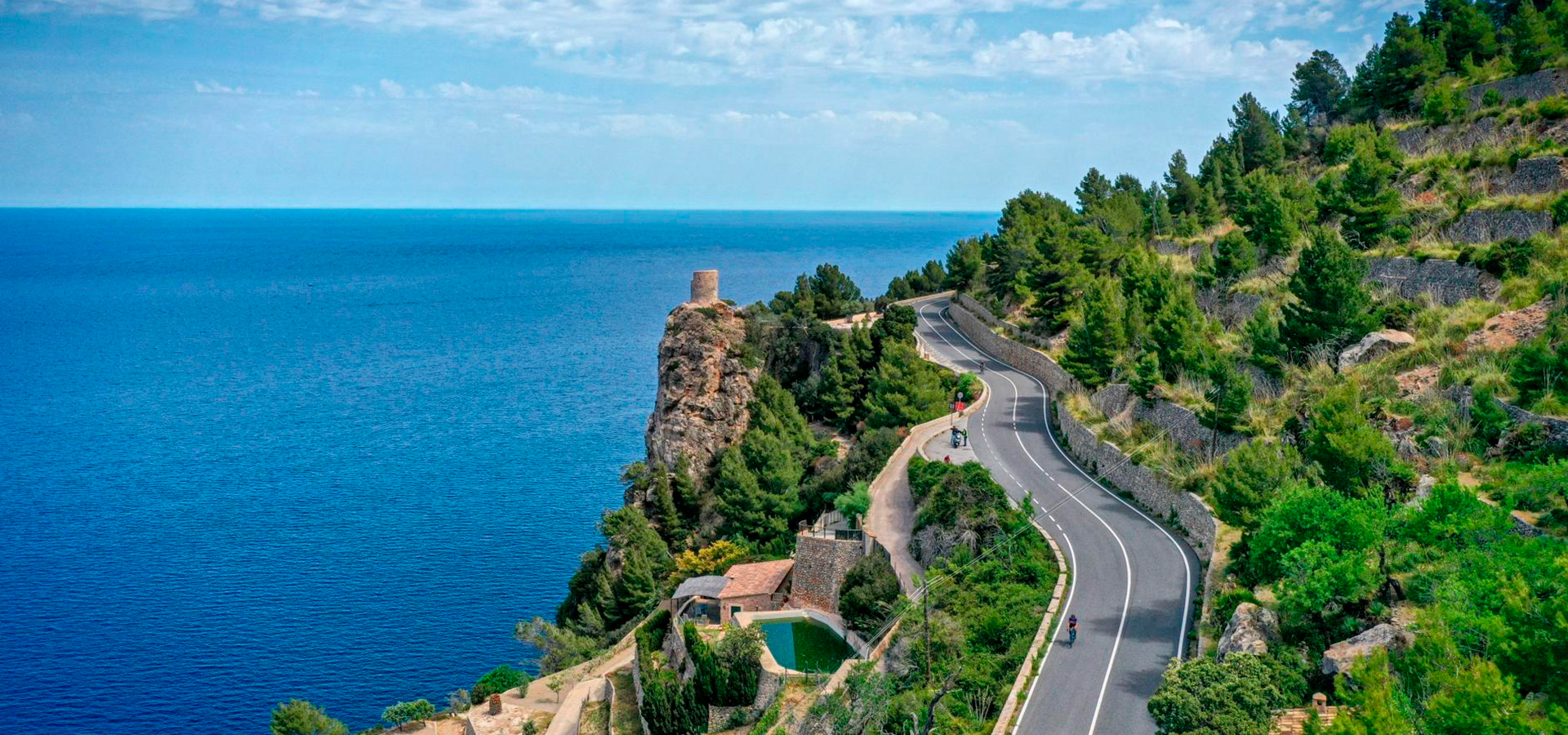
These are the words you'll see most often on brown tourist signs and in your satnav directions:
|
Term on the map |
Practical meaning for travellers |
Example on the island |
|
Cala |
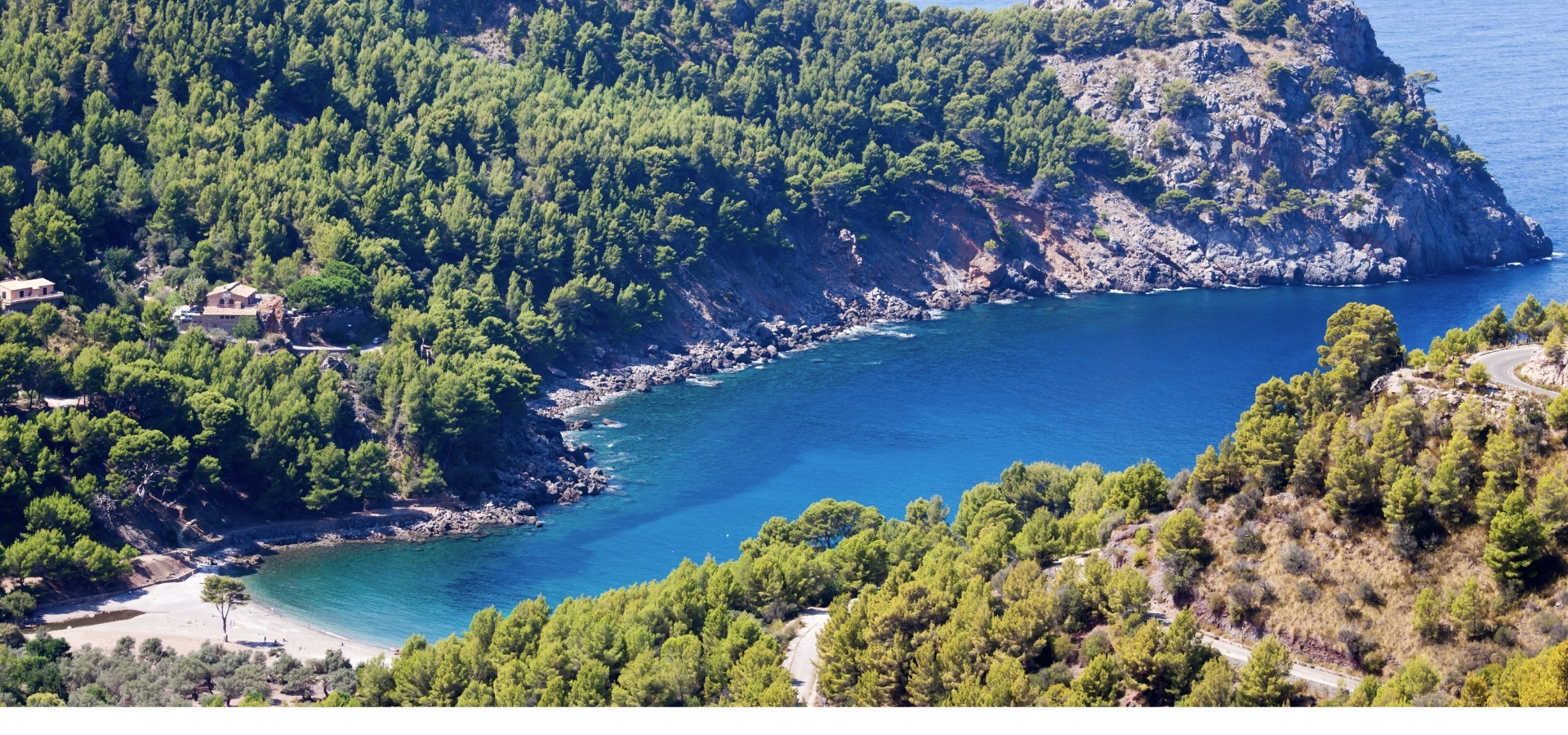
A small bay sheltered by rocks or pine trees, with calm waters. |
Cala Mesquida |
|
Possessió |
A large, historic country estate, typical of Mallorca's rural landscape. |
Possessió de Son Marroig |
|
Talayot (Talaiot) |
A prehistoric settlement built from huge stones (archaeological site). |
Ses Païsses (Artà) |
|
Torrent |
A mountain gorge or riverbed, usually dry in summer. |
Torrent de Pareis |
|
Puig |
A peak or mountain. You'll see it a lot on hiking routes. |
Puig Major |
|
Cap |
A cape or headland stretching out into the sea. |
Cap de Formentor |

2. Gastronomy: what to order at a restaurant
Balearic cuisine has its own names, which usually aren't translated on menus. Knowing them is the key to enjoying the local Mediterranean diet.
|
Food term |
What it is exactly |
|
Pa amb oli |
A slice of toasted country bread rubbed with ramellet tomato, olive oil and salt. It's served with cured meats or cheeses. |
|
Trempó |
A fresh summer salad made only with tomato, green and red pepper, pale Mallorcan pepper and white onion. |
|
Sobrassada |
A raw cured sausage made from pork and paprika, with a distinctive spreadable texture. |
|
Llonguet |
An oval bread roll with a cut down the middle, a Palma classic for making sandwiches. |
|
Frit (Frito mallorquín) |
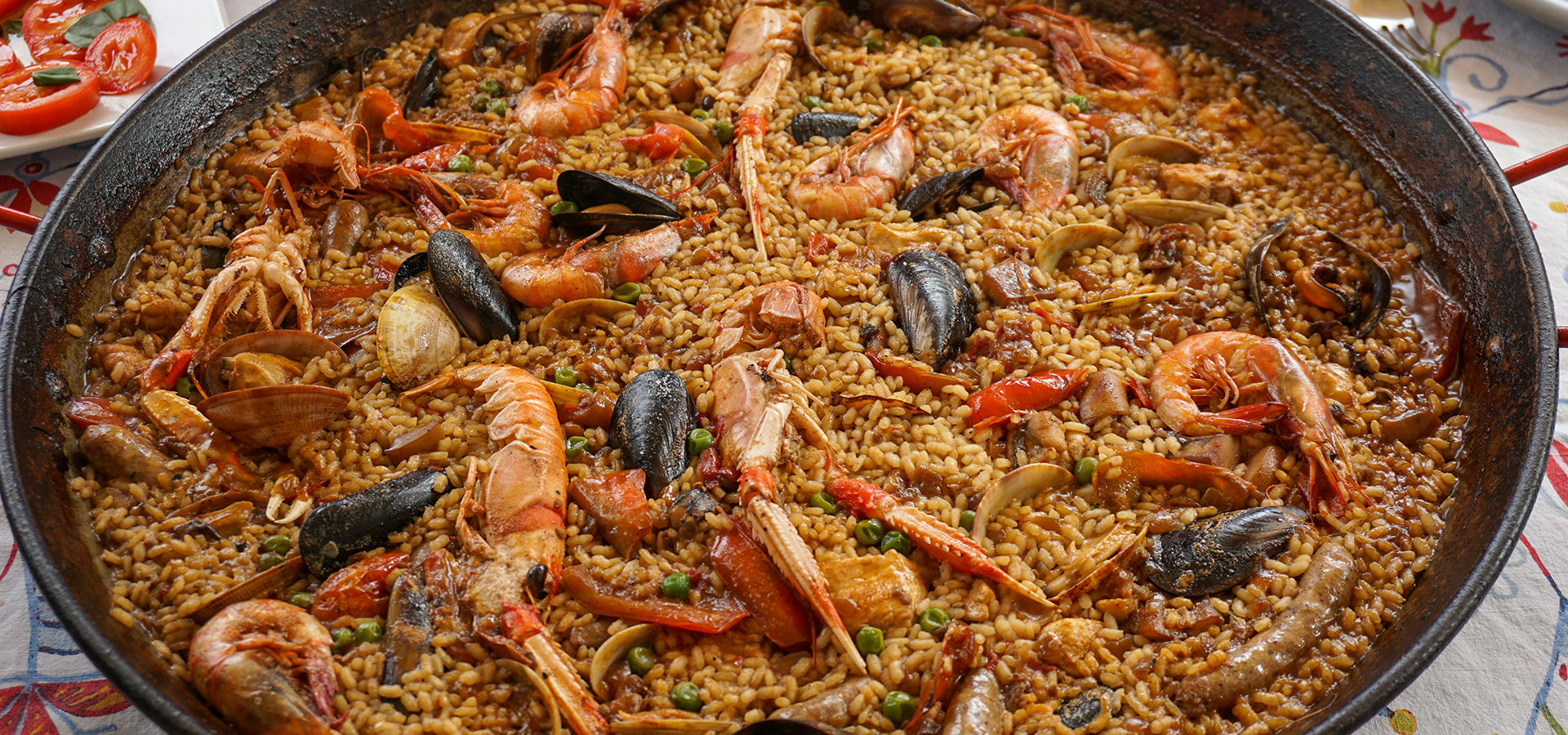
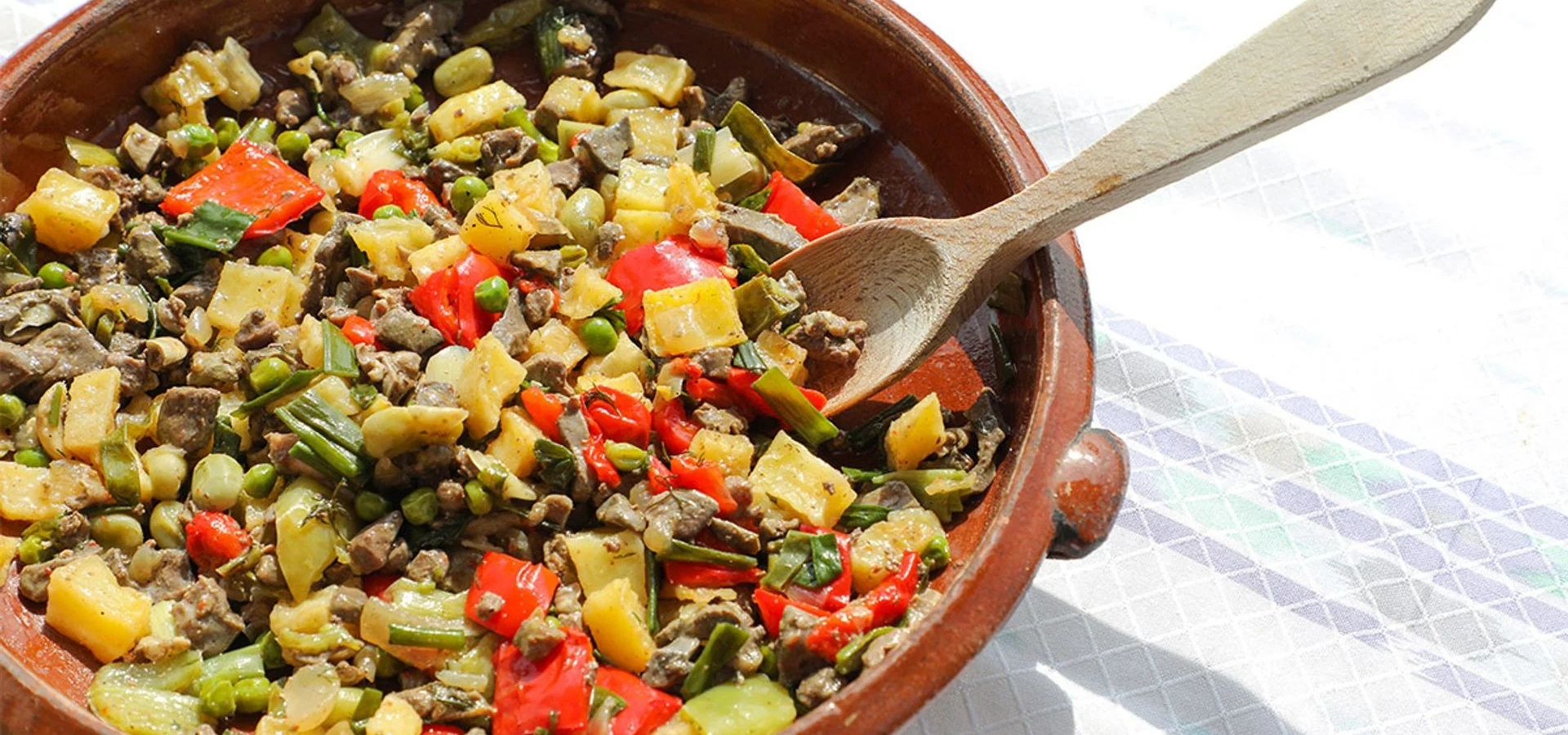
A traditional dish of fried meat (pork or lamb) with potatoes, peppers, peas and a hint of fennel. |
|
Ensaimada |
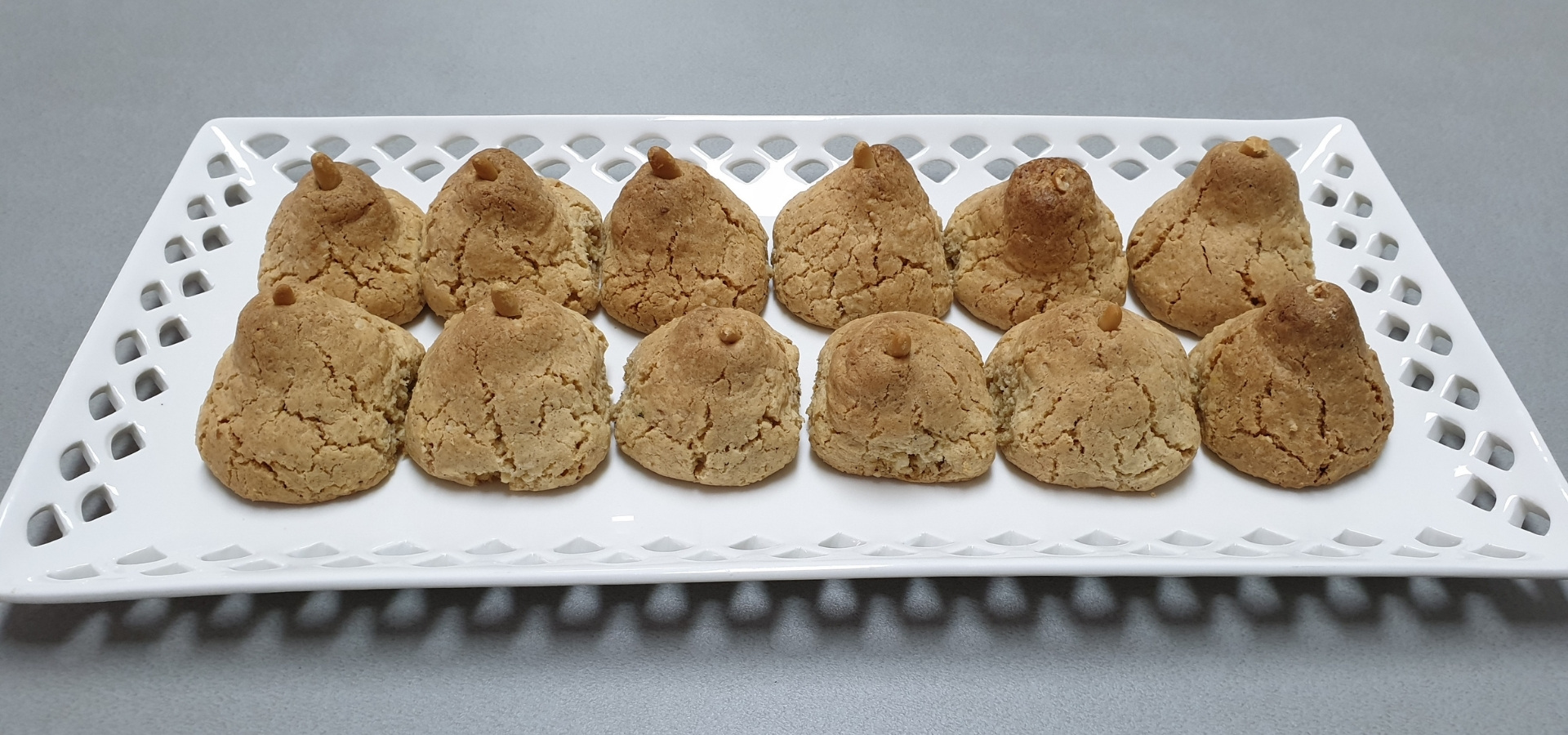
The island's most famous sweet treat. A flaky, spiral-shaped pastry, baked and dusted with icing sugar. |
3. Road signs and everyday use
To avoid any confusion behind the wheel or while strolling through the villages, learn these four basic terms. You'll see them everywhere:
- Carrer: Street (for example, Carrer Major).
- Plaça: Square.
- Camí: Path or lane. It usually refers to rural roads or unpaved tracks.
- Obert / Tancat: Open / Closed. You'll spot these on shop opening hours and car park barriers.
4. Your strategic base for exploring the island
Where you stay decides how much time you spend on the road. If you'd like to combine relaxation with discovering the island's landscapes and food, north-east Mallorca is the ideal spot.
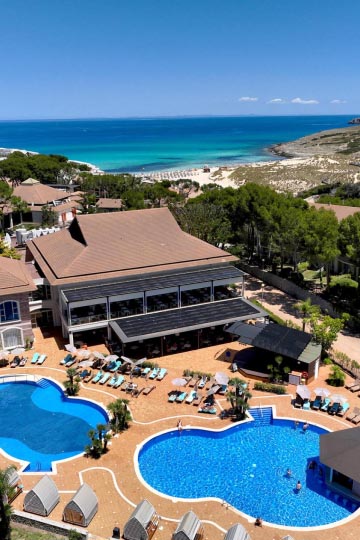
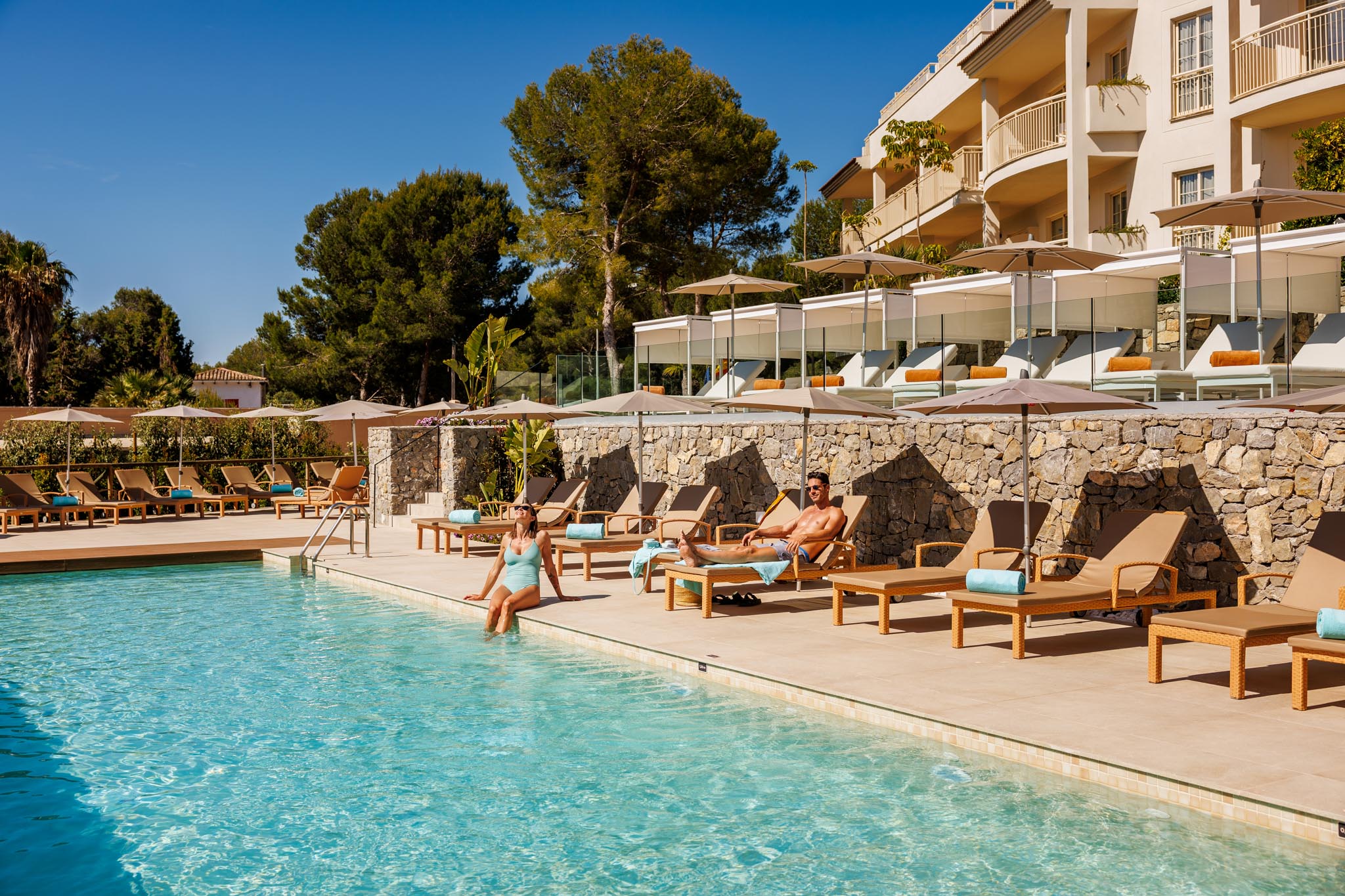
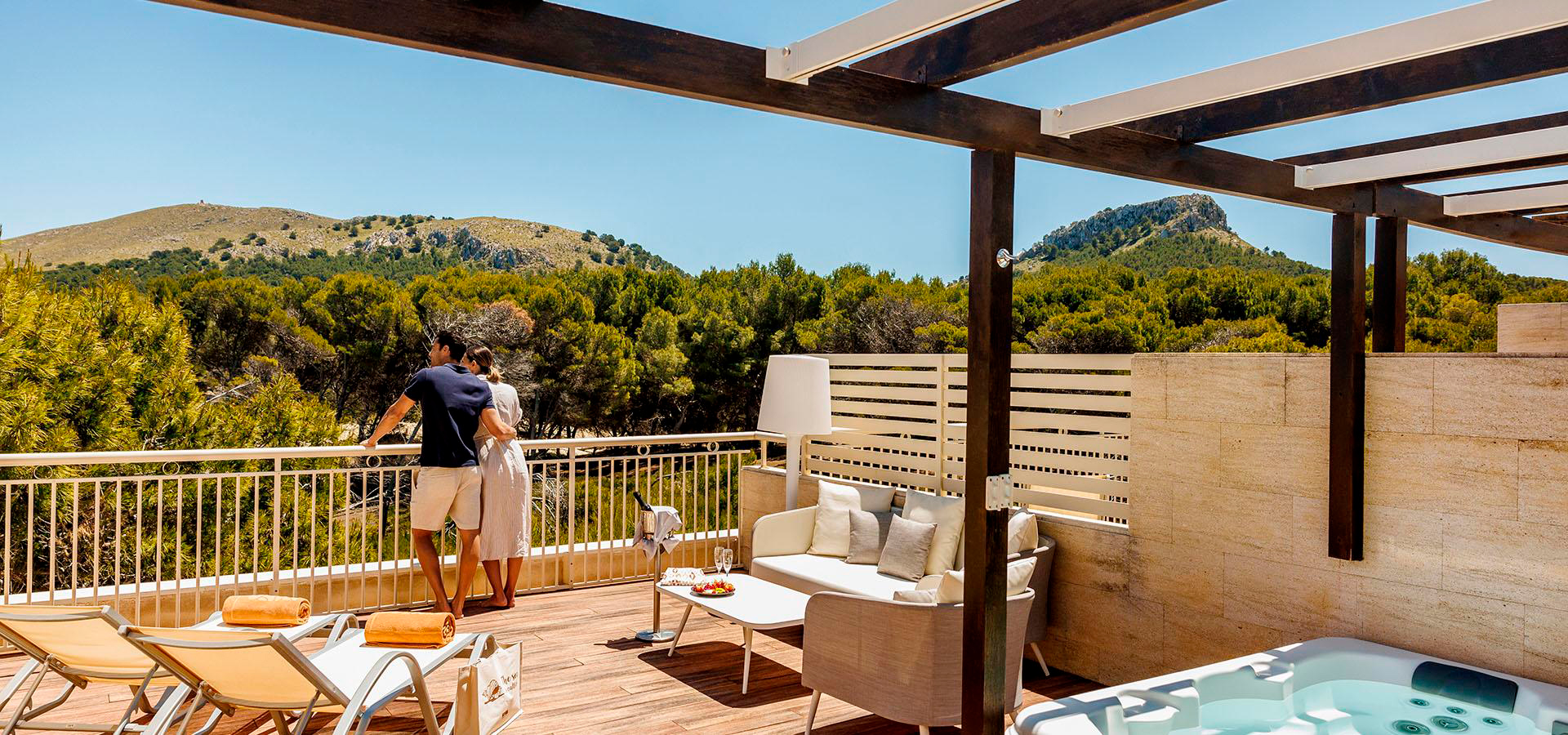
Staying at resorts such as VIVA Cala Mesquida Resort & Spa puts you right in front of a genuine, protected natural cove, just a few kilometres from the Talaiotic settlement in Artà. What's more, our hotels' restaurants prioritise locally sourced produce, so you can enjoy an authentic pa amb oli or try local sobrassada without leaving the resort. It's comfort and tradition, all in one place.

5. Frequently asked questions (FAQ)
Are restaurant menus in Mallorca only in Mallorcan?
No. Most restaurants aimed at visitors offer menus translated into several languages (Spanish, English and German). However, the names of traditional dishes, such as Pa amb oli or Trempó, always stay in their original language.
Is 'Pa amb oli' the same as traditional bread with tomato?
The idea is similar, but the Balearic version has its own specific preparation. Mallorcan pa amb oli uses a thick-skinned local tomato (tomàtiga de ramellet) and a dense, unsalted country bread (pan payés), and it calls for a generous amount of local extra virgin olive oil.
If I search for "playa" on my GPS, will it take me to a "cala"?
To get accurate routes on your satnav, it's best to use the exact word. If you're looking for long sandy beaches, use "Playa" (e.g. Playa de Muro). If you're after small rocky bays, type "Cala" directly (e.g. Cala Agulla).

Post Relacionados



Your happiness is our reward

Best online price

Discount on future stays

Discount at Balneum Spa

Discounts on room upgrades
