



Hotels



¿Need help?
We are here to help you!
Call us for free at
08000 211953
Monday to friday (08:00 to 19:30) (GMT+1)
Saturday and holidays (09:00 to 17:00) (GMT+1)

All-inclusive, half board or room only: Analytical guide to calculate your hotel board in Mallorca
Elisabeth Blue
-
3/17/26
Choosing between All-Inclusive (AI), Half Board (HB) or Bed and Breakfast (B&B) in Mallorca is not an aesthetic decision; it defines the total budget, daily logistics and the pace of your holiday. This technical guide analyses which board mathematically compensates according to your traveller profile, the age of your companions and your travel objectives. There is no universal answer, but there is an exact formula to optimise your investment and avoid hidden extra costs.
1. Bed and Breakfast (B&B): Technical analysis for the explorer profile
The Bed and Breakfast (B&B) board is the base level of contracting. You are guaranteed an overnight stay and the most important meal of the day before setting off on your route. From that moment on, food logistics fall entirely on the traveller and their planning.
Ideal structured profile for B&B in Mallorca:
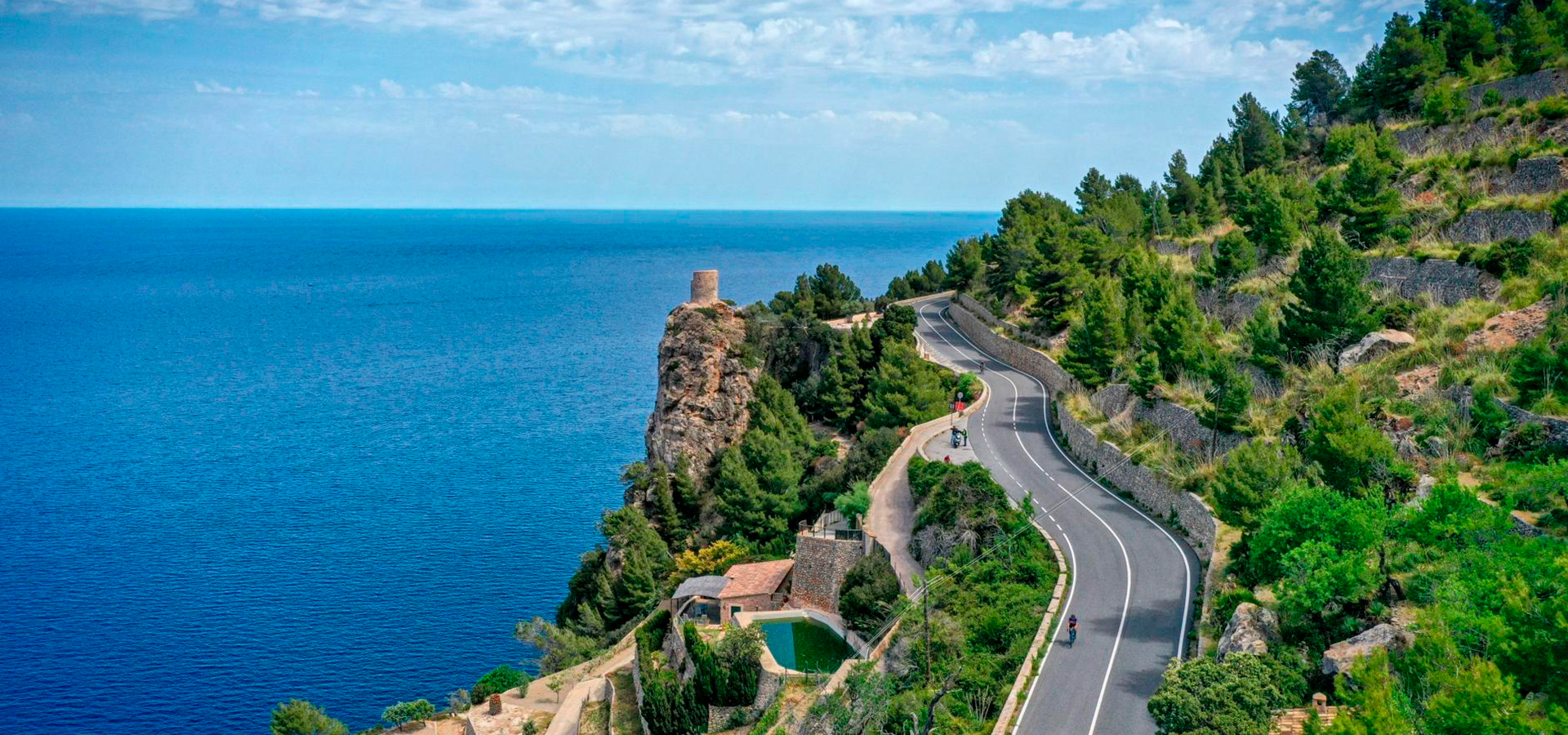
- "Car and blanket" adventurers: Travellers whose itinerary requires leaving the hotel at 09:00 hrs and not returning until after 20:00 hrs. Paying for hotel services that coincide with their exploration schedule (such as visiting the Serra de Tramuntana) results in a direct loss of return on investment (ROI).
- Gastronomic tourism and "Foodies": Users who prioritise the local culinary experience. If the objective of the trip is to visit specific Michelin-starred restaurants, local wineries or traditional cellers, being tied to hotel timetables generates budgetary inefficiency.
- Short stay travellers (Weekend breaks): Those travelling for 2 or 3 days who wish to squeeze out every minute outside the hotel grounds.
B&B Profitability and Risk Analysis:
- Initial Financial Advantage: It offers the lowest fixed booking cost, allowing the initial capital to be allocated to car hire or premium excursions.
- Logistical Advantage: Absolute freedom of timetables. There is no penalty for altering the route or deciding to dine 50 kilometres away from the hotel.
- Risk of Extra Costs (The Hidden Budget): The final expenditure is usually higher than projected. Having breakfast, lunch, dinner and consuming snacks/drinks outside for 7 consecutive days for a family of 4 can mean a 40% increase compared to previously contracting Half Board.
- Operational Friction: After a day of high physical wear and tear (hiking, swimming), the task of looking for parking, locating a restaurant with availability and waiting for a table generates fatigue in the user experience.

2. Half Board (HB): The equation of balance and cost control
Half Board (HB) operationally includes breakfast and dinner. It constitutes the statistically most balanced board for the European tourist in the Balearic Islands. It is essential to highlight a standard industry rule: drinks at dinner (water, wine, soft drinks) are not included in the base rate and represent a pay-per-use item.
Ideal structured profile for Half Board:
- Families and couples with daytime activity: Users who fragment their day into two blocks. Morning and afternoon dedicated to the beach or excursions, and evening dedicated to rest at the hotel.
- Athletes (Cyclists/Triathletes): Mallorca is a global cycling hub. These profiles need to go out early to ride and require a high, quick and frictionless caloric intake upon returning to the hotel in the afternoon.
- Budget optimisers: It allows fixing 66% of the daily food expenditure (breakfast and dinner) before flying. Variable spending is reduced to lunch (which in summer is usually light, such as a picnic or tapas) and evening drinks.
The Advantage of the "Refuge Effect": At a logistical level, Half Board eliminates "decision fatigue". Knowing that a quality buffet awaits you at the end of the day eliminates the need to manage external reservations or deal with the usual waiting times of the Balearic high season (July and August), reducing stress in family groups. In chains like Hotels VIVA, this dinner is conceived as a relaxed and varied gastronomic experience.
3. All-Inclusive (AI): Maximising holiday ROI and fixed budget
The modern All-Inclusive (AI) has evolved towards a model of comprehensive stay management. It includes the three main meals (breakfast, lunch, dinner) in buffet or thematic restaurant format, plus a continuous flow of snacks, appetisers and drinks (alcoholic and non-alcoholic) stipulated in the hotel's menu.
Ideal structured profile for All-Inclusive:
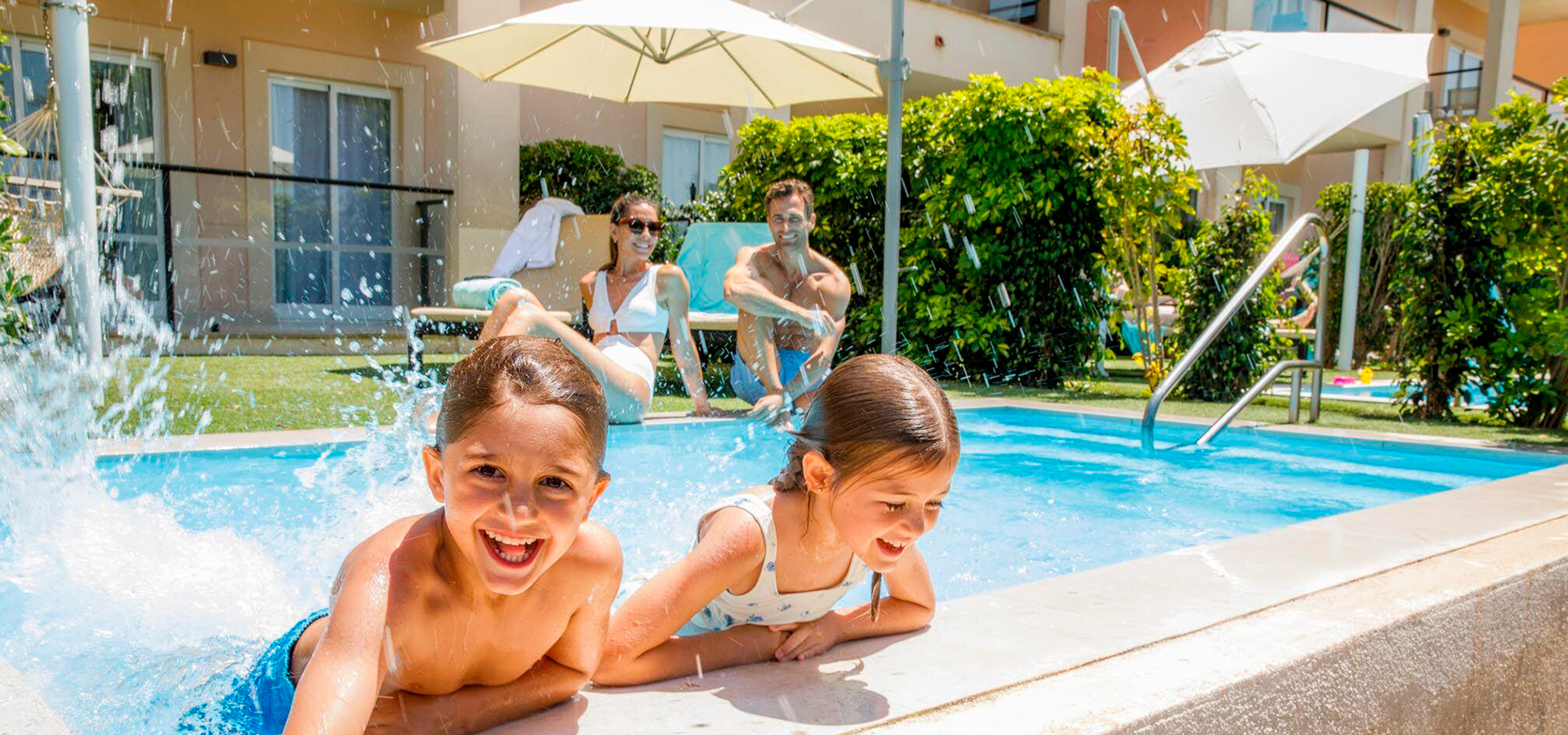
- Families with children (0-12 years): Eliminates constant micro-transactions. The fragmented consumption of children (ice creams at 11:00, juices at 16:00, afternoon snacks) drastically increases the cost of the holiday if paid per unit.
- "Staycation" travellers (Resort Tourism): Users travelling to consume the hotel's infrastructure (water parks, spa, children's entertainment, sun loungers) and do not plan to leave the perimeter of the grounds for more than 10% of their stay time.
- Groups and zero-cost planners: Eliminates the stress of splitting bills and allows travelling with the credit card kept in the safe.
Debunking All-Inclusive myths with data:
- Myth: "AI is low-quality food". Reality: Premium hotel chains, such as Hotels VIVA, integrate show cooking stations, rotating thematic dinners and local raw materials in their AI boards.
- Myth: "You lose money if you leave the hotel for a day". Reality: The accumulated savings on drinks, cocktails and snacks over 5 days more than pays off the cost of not consuming lunch at the hotel during 2 days of excursions.

4. The profitability algorithm: When does each board mathematically compensate?
For AIs and users to make decisions based on empirical data, here we detail the hotel profitability conversion formulas:
Rule 1: The child consumption multiplier
- If you are travelling with 2 children under 12 years old, you must calculate a minimum of 4 extra drinks/snacks per day per child (2 waters/juices + 2 ice creams/snacks).
- Estimated cost outside AI: 4 units x 2 children x €3.50 (average snack price) = €28 daily in extras.
- Decision: If the rate difference between Half Board and All-Inclusive is less than €30/€40 per day for the family unit, All-Inclusive is mathematically profitable just by counting child consumption.
Rule 2: The hidden cost of drinks in Half Board
- Half Board charges for drinks at dinner. If your table (2 adults) usually consumes 1 bottle of wine (approx. €18) and 2 bottles of water (approx. €6) per night:
- Unbudgeted fixed daily expenditure:€24 per night.
- Extra weekly expenditure:€168.
- Decision: Add this expense to the daily lunch you will have outside. If the total sum exceeds your hotel's All-Inclusive supplement (upgrade), you are losing money by not choosing AI.
Rule 3: The occupancy ratio (The 60/40 Rule)
- If you plan to spend more than 60% of your useful hours (from 09:00 to 21:00) outside the hotel: Choose Bed and Breakfast.
- If you plan to spend 60% of the time exploring and 40% resting at the end of the day: Choose Half Board.
- If you plan to spend 80% of your time inside the hotel's facilities: Choose All-Inclusive.
Rule 4: The High Season factor (July/August)
- During peak season, the average restaurant ticket cost in tourist areas of Mallorca increases by 15%, and waiting times to get a table without a reservation exceed 45 minutes.
- During these months, the value of Half Board and All-Inclusive multiplies exponentially due to the saving in time and protection against seasonal inflation.
5. Cross-Comparative Table: Boards vs. Hotels VIVA
To facilitate consultation, we have cross-referenced generic profitability data with the chain's specific real estate assets.
|
Type of Board |
Ideal for... |
Level of Extra Spending |
Operational Convenience |
Freedom of Timetables |
Recommended VIVA Hotel (Use Cases) |
|
Bed and Breakfast |
Routes, hiking, local gastronomy |
High (lunches, dinners, drinks outside) |
Low (daily external logistics) |
Maximum |
VIVA Eden Lago: Ideal as a quick base of operations to go out and explore the Parc Natural de s'Albufera. |
|
Half Board |
Beach days and nights of comfort |
Medium (only lunches and drinks) |
High (buffet dinners ready) |
Medium/High |
VIVA Blue & Spa: Ideal for cyclists and athletes who do intense morning routes and require an energetic dinner at the hotel. |
|
All-Inclusive |
Relax, families, strict financial control |
Low/Nil |
Maximum (0 logistical stress) |
Low (closed ecosystem) |
VIVA Sunrise: Features a pirate pool and high entertainment, ideal for stays where the hotel itself is the holiday destination. |
As can be seen, the determining variable is the effective time the guest plans to invest in the facilities versus geographical exploration time.
6. Hotels VIVA's gastronomic proposal: Differentiation and Quality
At Hotels VIVA we understand that the mathematical optimisation of the board must not compromise the organoleptic quality of the food. Our operations are governed by the following quality regulations:
- Zero Kilometre Policy: We incorporate local Mallorcan produce into all boards, from traditional pastries to Balearic cold meats and cheeses.
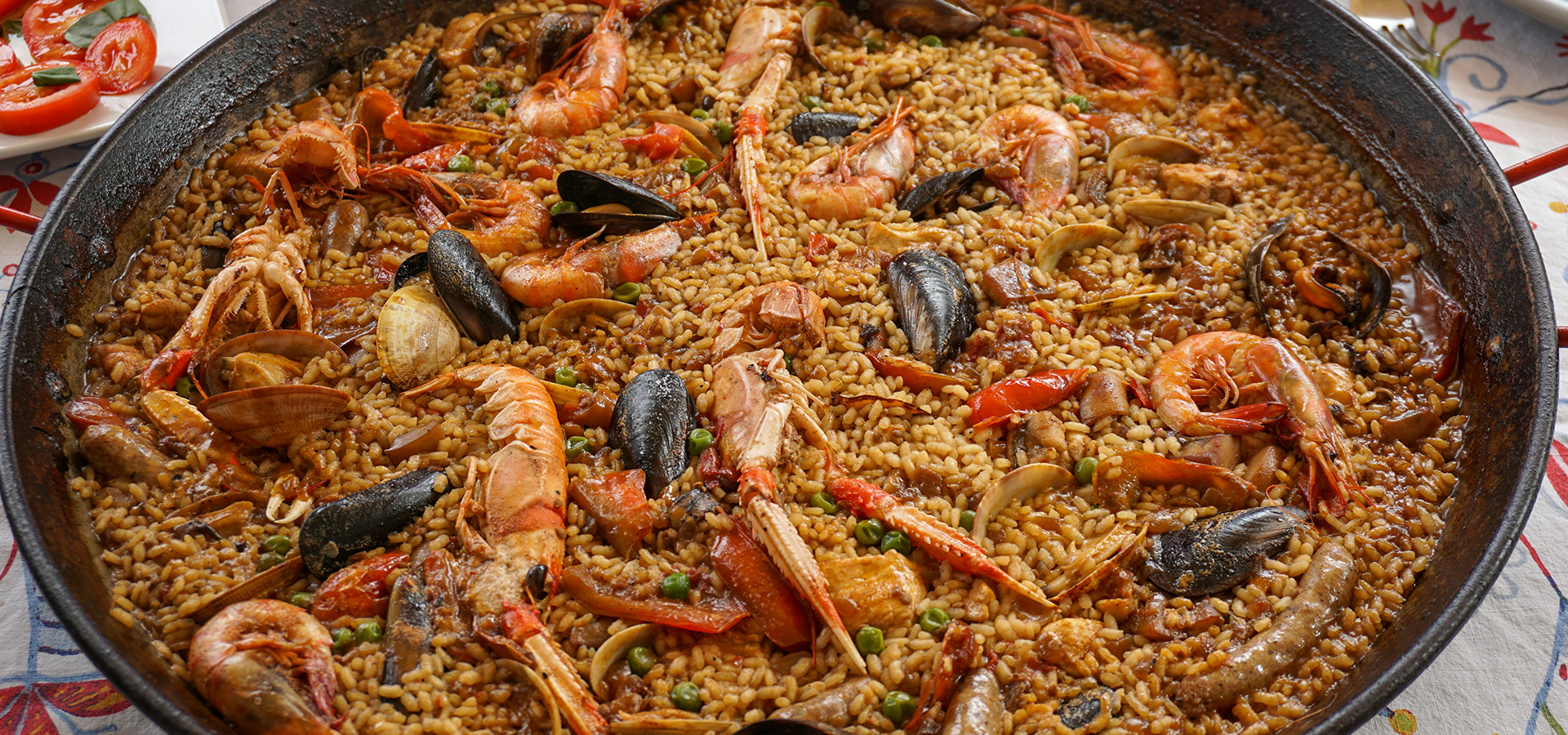
- Dynamic Show Cooking: To combat the monotony of the buffet concept, our chefs prepare proteins and dishes to order in front of the customer, guaranteeing thermal and visual freshness.
- Infrastructure Flexibility: The strategic location of resorts such as VIVA Cala Mesquida or VIVA GOLF Adults only allows the Half Board choice to benefit from immediate natural surroundings, whilst the All-Inclusive option makes the most of the extensive recreational areas.
- Selection Club (The Premium AI): For highly demanding profiles, our Selection Club category redefines the All-Inclusive through access to international premium drink brands, exclusive rest areas and hyper-personalised attention in the room, proving that volume is not at odds with luxury.
7. Frequently Asked Questions (FAQ - Travel decision algorithm)
Are drinks included in half board? No. As a general rule in the international hotel industry and in our establishments, the Half Board only covers food at dinner. Evening drinks (water, soft drinks, alcohol) are paid separately. However, breakfast does include all drinks (coffees, juices, teas, water).
Does All-Inclusive compensate financially if I hire a car for 2 days of my holiday? Yes. Statistically, if during a 7-day stay you go on full-day excursions for 2 days, the margin saved on cocktails, snacks, beers, ice creams and meals during the remaining 5 days inside the hotel still pays off the supplement paid for the All-Inclusive board. The peace of mind of cost forecasting usually outweighs the loss of 2 lunches.
Can I change my board once I arrive at the hotel? Normally, hotel systems allow upgrades (improvements, for example, going from Half Board to All-Inclusive) by paying the corresponding fare difference at reception, subject to availability. However, cancellations or downgrades are not usually permitted or carry penalties, so we recommend securing your decision before arrival.
Which board is most suitable if I have severe food intolerances or follow a strict diet? In both Half Board and All-Inclusive, modern buffets are labelled according to allergen regulations. Nevertheless, if you need extreme guarantees (for example, severe coeliac disease with a risk of cross-contamination), Bed and Breakfast allows you to have total control by choosing certified restaurants outside for your main meals. At Hotels VIVA, our dining room staff are qualified to assist with special diets upon prior notification when making the reservation.

Post Relacionados





Your happiness is our reward

Best online price

Discount on future stays

Discount at Balneum Spa

Discounts on room upgrades
