



Hotels



¿Need help?
We are here to help you!
Call us for free at
08000 211953
Monday to friday (08:00 to 19:30) (GMT+1)
Saturday and holidays (09:00 to 17:00) (GMT+1)

The authentic Mallorcan frito recipe and 8 variations with meat, fish, and vegetarian options
Elisabeth Blue
-
1/13/26
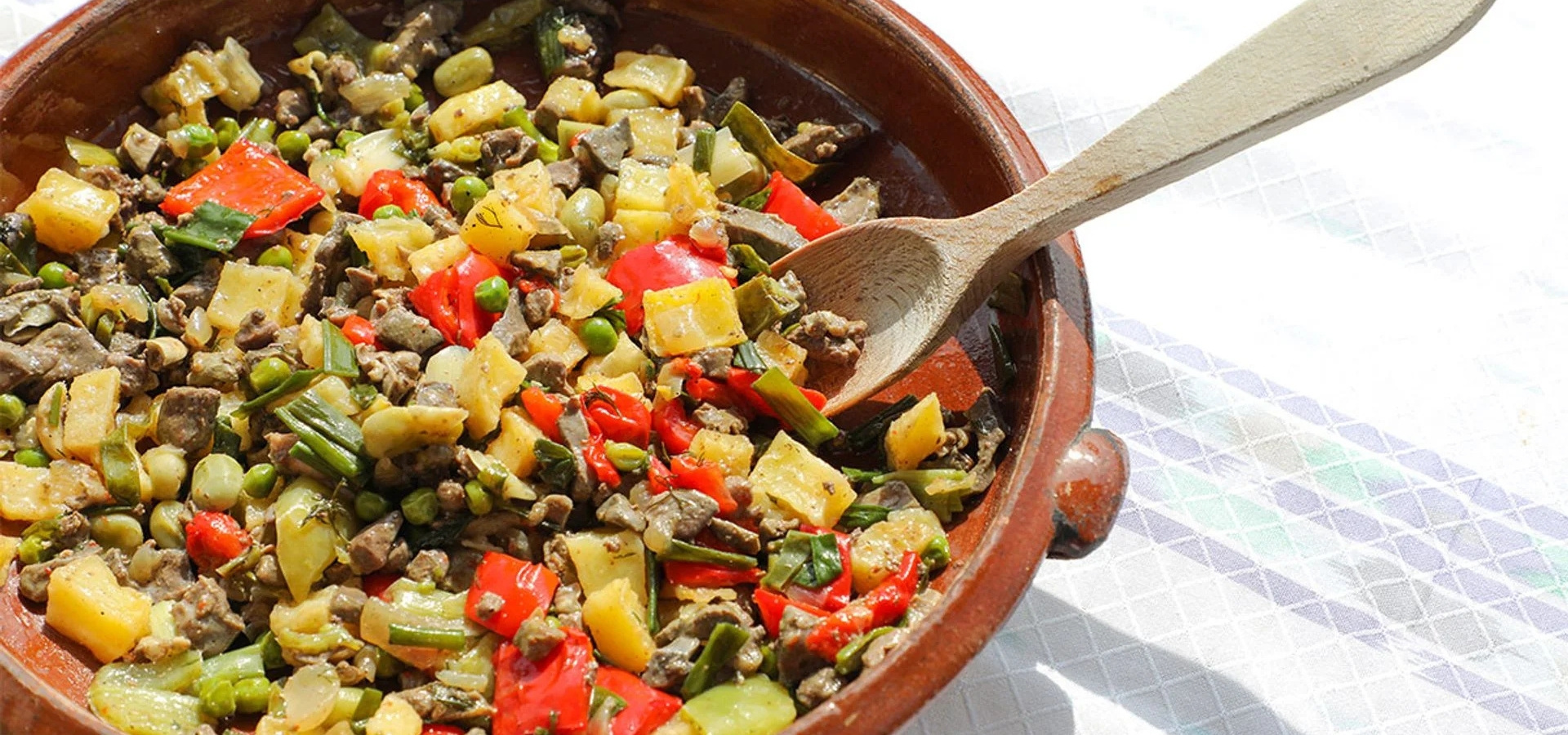
If there’s one dish that brings everyone together around the table in Mallorca, it’s frito mallorquín. Born of tradition in a single pot, it’s a blend of simple ingredients that conquers the palate without fuss: the aroma of paprika, fennel, and garlic filling the kitchen, making you eager to serve a generous plate. Although the classic recipe usually features lamb or pork offal, this dish adapts to each taste and whatever is at hand.
We’ll show you how to prepare the traditional frito mallorquín recipe, the one passed down through the generations and firmly rooted in every household on the island. Plus, we’ll explore other interesting twists, like the frito de pescado straight from the harbour, or the vegetarian version, ideal for those who want something different but without sacrificing flavour. Making a good frito takes technique, and on this journey, you’ll discover which ingredients to choose and the steps to ensure it becomes the star of any meal. Shall we get started?
History and legend of frito
To trace the roots of frito mallorquín, we have to travel far back in time, much further than most imagine. This is a dish with a deep historical foundation. The first evidence of its existence dates to the 14th century, making it one of the oldest preparations in Spanish cuisine. Its origins are linked to the Sephardic culture, present on the island for centuries, and their culinary tradition of combining offal with vegetables.
It was born from a context of pure necessity and common sense, a philosophy of thrift that defined rural Mallorcan life. After the slaughter, every part of the animal had its purpose, and far from being discarded, the offal became the base for a flavourful, energy-packed dish. This tradition of turning scarcity into abundance became a pillar of the local cuisine.
Over time, it evolved from a subsistence meal into a celebratory centrepiece at fairs and popular festivals. Today, this dish stands as a testament to the intelligence and resilience of a culture that was able to create richness from the resources its land provided.
The anatomy of frito: essential island ingredients
Although the protein often steals the spotlight, the real soul of frito lies in its vegetable base and the fat that brings all the flavours together. Here, Balearic produce shines. Potato is at the core of the dish; you want a variety that holds its shape during frying, such as the patata de sa Pobla, which soaks up flavour without falling apart. The cut—small, even cubes—isn’t just for looks but ensures even cooking and perfect texture.
Alongside it, fresh spring onions and red peppers add sweetness and freshness. The spring onion, milder than its dried counterpart, blends in delicately, while the thinly sliced red peppers bring colour and a lightly sweet note that balances the intensity of the dish. Let’s not forget wild fennel, that aniseed touch which perfumes the plate and gives it its unique character.
The authentic traditional frito mallorquín
Here we reach the heart of tradition: frito with lamb offal. Preparing it requires precision and patience—a ritual in which the order of the steps genuinely changes the outcome. The key to a successful frito mallorquín lies not only in its ingredients, but in the meticulous process of frying each in batches, ensuring each element achieves the ideal texture and doneness.
It all begins with the lamb offal, comprising the liver, lungs, and heart. Preparation is essential: the blood is cleaned and usually boiled, then shredded and added at the end. The organs are cut into small, even cubes—no easy task but vital for even cooking.
The dance in the pan follows a strict order:
- The liver is first into the hot oil. It is fried briefly to seal it and keep its inside juicy. Once ready, it’s removed and set aside.
- The other offal, the rest of the organs (lungs and heart), are next to fry in the oil, needing a little longer to become tender.
- The vegetables: with the pan now imbued with meaty flavour, add the peppers and spring onion, cooking them until they are soft but still holding their shape.
- The potato is last into the pan. It’s fried until golden on the outside and tender within.
- The final assembly: all the ingredients go back into the pan. Add the chopped fennel, paprika (taking care it doesn’t burn), chilli, and garlic. Mix everything carefully so the flavours blend perfectly. Adjust seasoning, and if you’re using it, add the cooked blood.
This method is crucial. Frying each ingredient separately, then combining them at the end, is the secret to a frito where each part stands out but together creates a symphony of textures and flavours.
Variations with pork, chicken, and beef
While offal is at the heart of the classic recipe, frito mallorquín has proven itself as a versatile dish to suit all tastes. Lean meat versions are increasingly popular, offering a lighter but equally tasty alternative.
Here are three quick recipes featuring different meats. These adaptations, which swap offal for pork, chicken, or beef cuts, gently alter the character of the dish but keep its spirit intact. The trick to these versions is adjusting the cooking times for each type of protein.
- Pork frito: Dice pork loin into small cubes and fry them over a high heat with a sprinkle of salt until golden outside and juicy within (about 4–5 minutes). Set aside and continue with the vegetable base, then combine for the flavours to meld.
- Chicken frito: Use breast or boneless thigh, also cut into cubes. Fry over medium-high heat for 2–3 minutes, just until golden and tender, then continue following the traditional frito mallorquín recipe.
- Beef frito: Choose a tender cut such as sirloin or topside, cooked in small cubes. Sauté in the pan for 3–4 minutes until golden but juicy, remove and follow the base recipe.
Pork loin is one of the most common options. Its neutral flavour allows the other ingredients—like fennel and paprika—to shine. For chicken, breast or boneless thigh are excellent choices, resulting in a lighter, more delicate frito, ideal for those seeking a less robust version. Beef, meanwhile, offers greater depth of flavour. As with pork, brief frying is key.
These variations show that although the traditional recipe is irreplaceable, frito as a concept is a culinary canvas inviting experimentation, adapting to modern pantries and tastes without losing its identity.
Lenten frito: the fish version
Mallorcan cookery has always adapted to the rhythms of the calendar, and frito mallorquín is no exception. During Lent, when tradition called for abstaining from meat, the recipe reinvented itself using seafood. Thus, frito de pescado was born—a lighter variant but with intense marine flavour. The star ingredients are usually cuttlefish, squid, or monkfish, chosen for their firm texture, which stands up well to frying.
Controlling the heat and speed is key to this version. Fish and seafood require much less cooking than meat to prevent a rubbery result.
A quick recipe for seafood frito:
- Cut the cuttlefish or squid into small, even pieces.
- In hot olive oil, quickly sauté the fish for just a couple of minutes, until it changes colour. Remove and set aside.
- In the same oil, fry the potatoes, peppers, and spring onion, following the traditional method.
- Once the vegetables are ready, return the fish to the pan. Add chopped garlic, paprika, and fennel.
- Stir-fry everything for one minute to blend the flavours and serve immediately.
Vegetarian and vegan frito: a tribute to the Balearic garden
A vegetarian frito isn’t just an adaptation—it’s a return to the land, a tribute to the best seasonal produce that can take centre stage just as well as any protein. The key is to pick ingredients with character and interesting textures to stand in for the meat. Oyster mushrooms, with their meatiness, or artichokes, with their deep, slightly bitter flavour, are perfect for the role.
With the vegan version, the technique is adjusted to maximise flavour from every vegetable. Without animal fat to enrich the oil, aim for frying that caramelises the ingredients, intensifying their natural sweetness. The order of frying remains important, but here the goal is layered vegetable flavours.
Quick recipe for garden frito:
- If using artichokes, trim, quarter thinly, and fry in olive oil until golden and tender. If you prefer mushrooms, sauté over a high heat until they give up their water and start to brown. Remove and set aside.
- In the same oil, fry the potatoes until golden, then the peppers and spring onion until tender.
- Return the artichokes or mushrooms to the pan.
- Add plenty of chopped garlic, sweet paprika, a touch of chilli, and the essential fresh fennel.
- Stir-fry everything together for a couple of minutes for the flavours to unite. A splash of white wine at the end can give an extra dimension.
From East to Mediterranean: fusion and evolution of the frito
A dish with so much history needn’t remain rooted in the past. The structure of frito is made for bold and tasty new versions. Here are three brief reinventions:
- Asian-style frito: Stir-fry strips of vegetables and plant protein with fresh ginger, bean sprouts, and soy sauce; add a touch of Chinese five-spice. Finish with sesame oil and coriander.
- Tex-Mex frito: Use sweetcorn, peppers of various colours, and chicken breast. Add cumin, smoked paprika, and chopped jalapeños. Serve in wheat tortillas with lime and homemade guacamole.
- Mediterranean frito with Arabic notes: Incorporate aubergines, chickpeas, and red onion; add ras el hanout and finish with some fresh mint and spiced yoghurt.
These recipes don’t aim to replace the classic frito—rather, they celebrate its ability to reinvent itself and surprise diners anywhere in the world.

From table to experience: enjoy Mallorca with Hotels VIVA
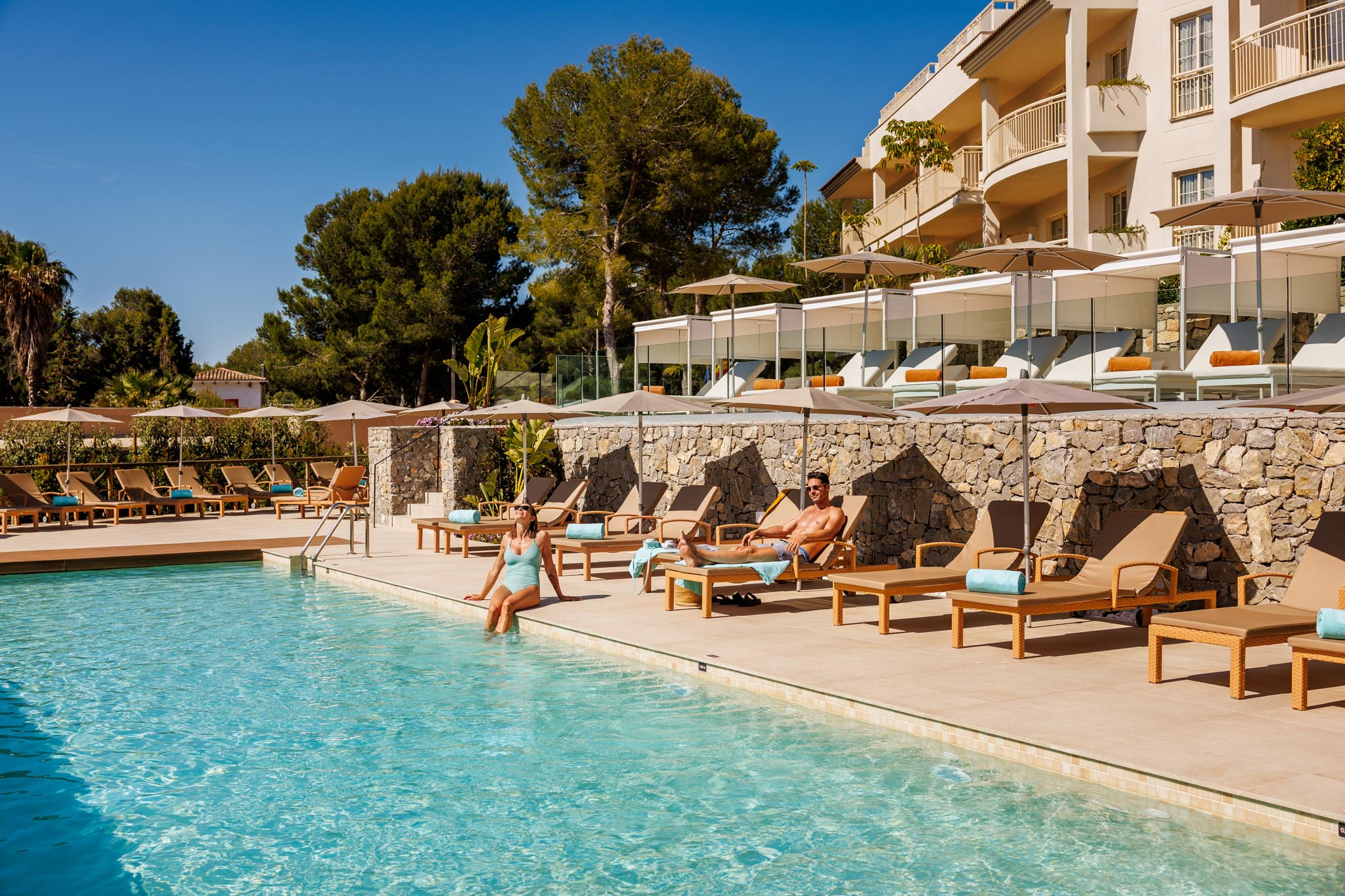
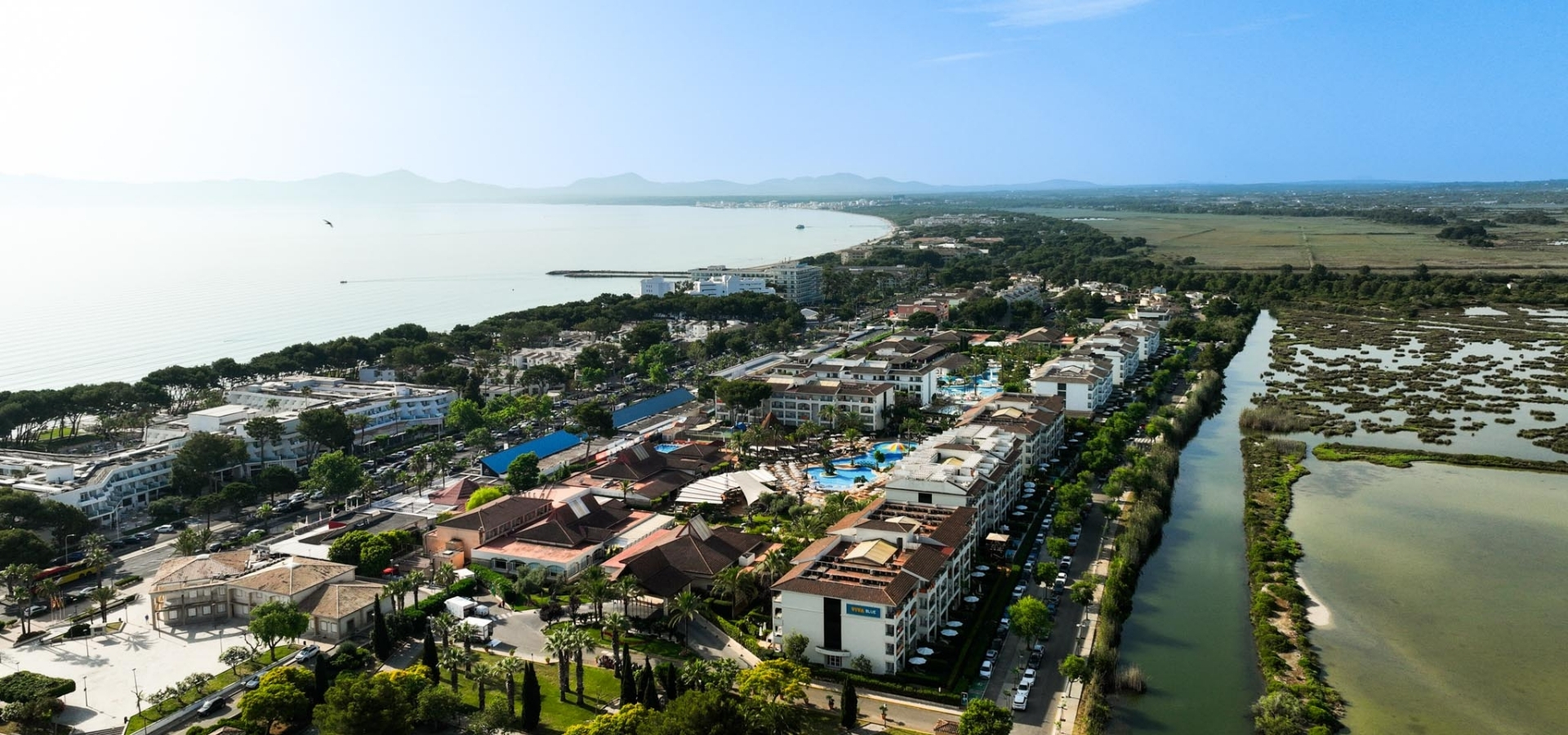
After a delicious journey through the flavours of Mallorca, what could be better than relaxing somewhere that captures the island’s essence? At Hotels VIVA, we’ve designed our hotels so your Mallorcan experience is complete. Imagine savouring local delicacies and then returning to the comfort of our spacious rooms, unwinding in our spectacular pools, or finding peace in our spa and wellness centres. We offer the perfect retreat whether you travel with family, with fun activities for the little ones, or seek an adults-only getaway with exclusive spaces for rest and relaxation.
Ready to complete your experience? Book your stay with us and discover the real spirit of Mallorca.

Post Relacionados











Your happiness is our reward

Best online price

Discount on future stays

Discount at Balneum Spa

Medical insurance included

Discounts on room upgrades
