


Hotels



¿Need help?
We are here to help you!
Call us for free at
08000 211953
Monday to friday (08:00 to 19:30) (GMT+1)
Saturday and holidays (09:00 to 17:00) (GMT+1)

Ferry to Mallorca: main departure ports, journey times, companies, hidden costs and the advantages of bringing your own vehicle from mainland Spain
Elisabeth Blue
-
6/10/28
Taking the ferry to Mallorca has become the most practical way to avoid airline baggage restrictions and the high cost of hire cars in summer. Arriving on the island with your own vehicle changes the logistics of your family or couple's holiday.
In this article, you'll find the main routes, journey times and essential tips for planning your sea crossing without any surprises.
1. Main routes, companies and journey times
There are regular daily connections from Spain's eastern mainland coast and the south of France to the island's two main ports: Palma and Alcúdia.
|
Departure port |
Arrival port |
Operating companies |
Approximate duration |
|
Barcelona |
Palma or Alcúdia |
Baleària, Trasmed, GNV |
6–8 hours |
|
Valencia |
Palma |
Baleària, Trasmed, GNV |
7–9 hours |
|
Dénia (Alicante) |
Palma |
Baleària |
5–6 hours (fast ferry) |
|
Toulon (France) |
Alcúdia |
Corsica Ferries |
10–12 hours (overnight route) |
2. The advantages of travelling with your own vehicle
Crossing the Mediterranean with your car or van brings three immediate logistical benefits:
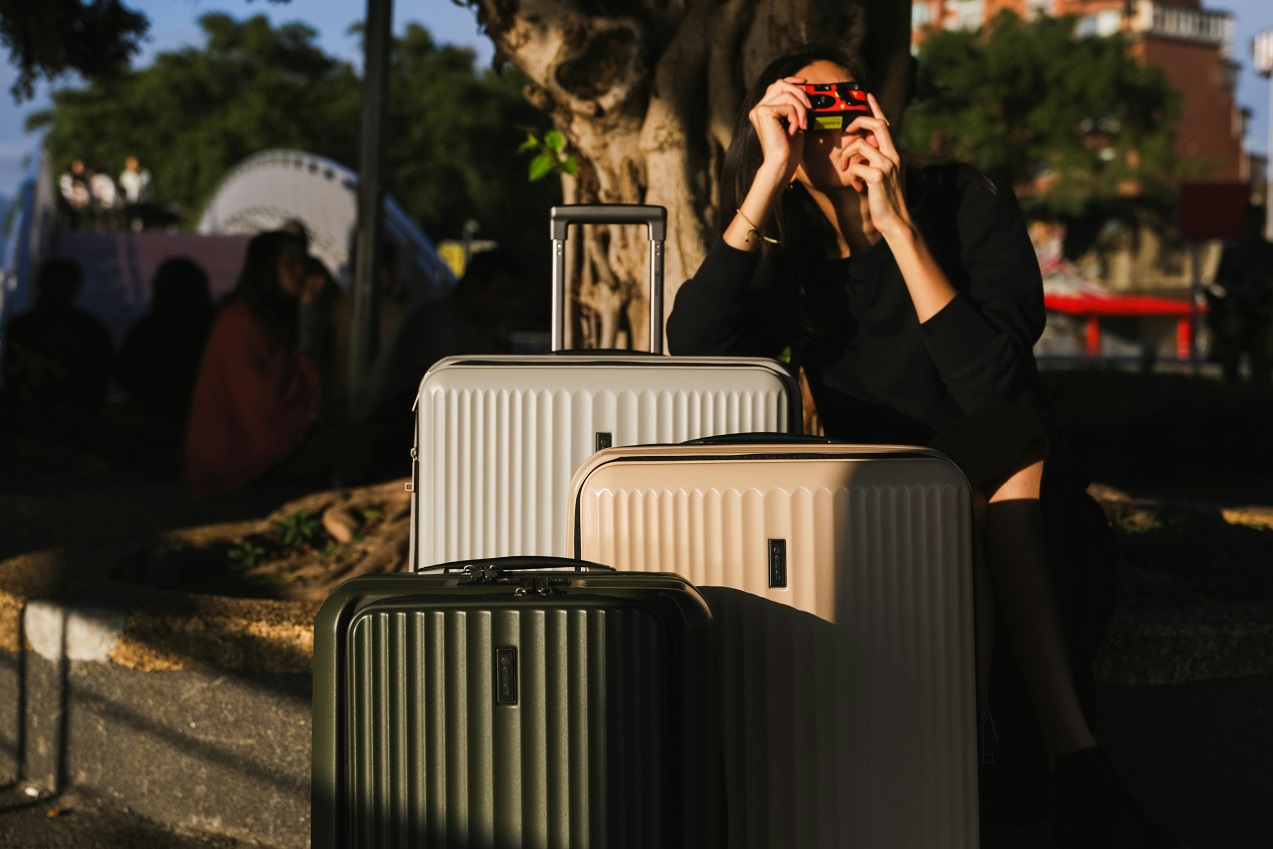
Unlimited luggage: Your boot is your only limit. You can pack beach chairs, children's bikes, pushchairs and liquids without paying extra charges or going through airport weight checks.
Savings on getting around: During the high season in the Balearic Islands, daily hire car rates can reach steep peaks. Bringing your own car quickly pays back the cost of the ferry ticket.
Freedom as soon as you disembark: You avoid the queues at car hire desks and the waits for public transport. As soon as you drive out of the ship's hold, you can set off for your hotel straight away.
3. Hidden costs to watch out for
To avoid extra charges on your final fare when you reach the port, check these details while booking online:
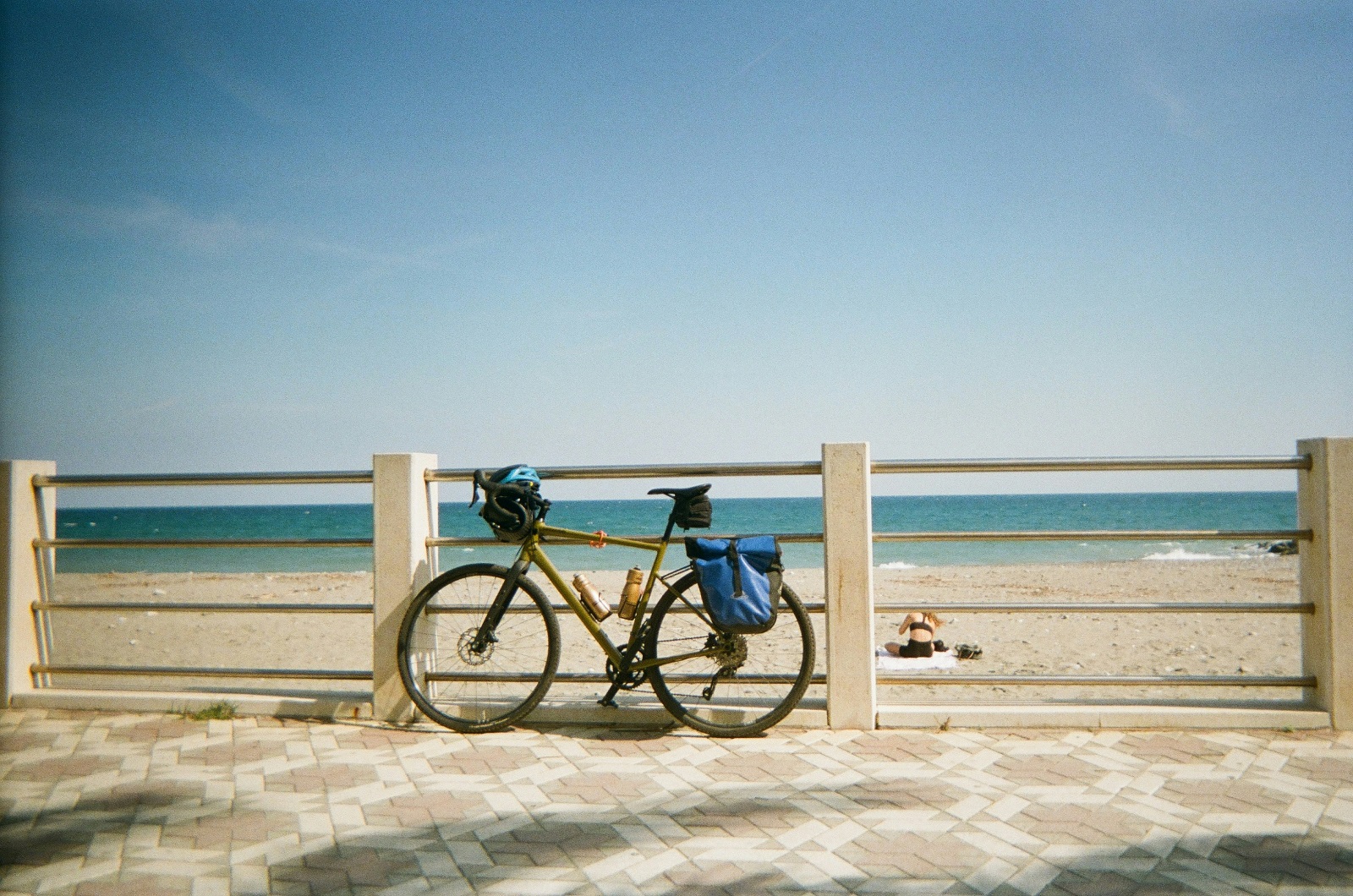
Vehicle size supplements: The base fare covers standard cars. If you're travelling with a roof box (roof rack), a campervan conversion or a rear bike rack, you must declare it. If your vehicle exceeds the stated height or length, the ferry company will apply hefty surcharges at the boarding ramp.
Overnight accommodation: The basic ticket usually includes a standard reclining seat. On overnight crossings, booking a private cabin pushes up the fare, but it means you'll arrive well rested and ready to drive the next day.
Pets: Travelling with pets means paying a supplement, either to book a carrier in the designated area of the ship or to access a pet-friendly cabin.
4. The tactical advantage of the Port of Alcúdia
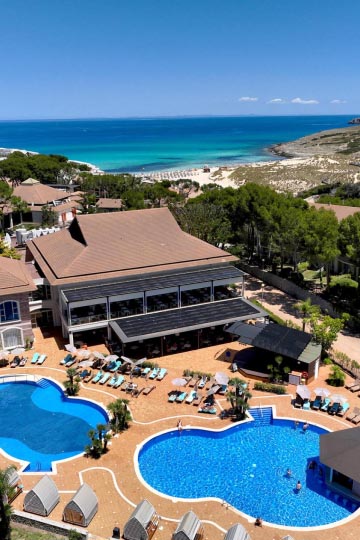
If you're staying in the north of Mallorca, choosing a ferry that docks directly at the Port of Alcúdia, such as those from Barcelona or Toulon, will save you almost an hour of driving across the island from Palma. Once you leave this ferry terminal, you'll be less than ten minutes' drive from our family-friendly resorts VIVA Sunrise and VIVA Eden Lago, or from the peace and quiet of VIVA Golf Adults Only 18+, keeping travel fatigue to a minimum.

5. Frequently asked questions (FAQ)
How early should I arrive at the port if I'm travelling with my car?
Ferry companies require passengers with their own vehicle to arrive at the boarding area between 60 and 90 minutes before departure. This time is needed to organise the weight distribution and fit together the jigsaw of cars in the hold.
Can I go down to my car to fetch luggage during the crossing?
No. Under international maritime safety regulations, the doors to the vehicle decks are sealed shut for the entire voyage. You should take everything you need for the journey with you to the passenger area (medication, chargers, food and warm clothing).
Is the ferry to Mallorca very rough?
Modern ships are fitted with large mechanical stabilisers that make the crossing very smooth. However, if you're prone to seasickness, it's a good idea to take preventive medication around 30 minutes before setting sail.

Post Relacionados
















Your happiness is our reward

Best online price

Discount on future stays

Discount at Balneum Spa

Discounts on room upgrades
